Visual Representation of Complex Concepts
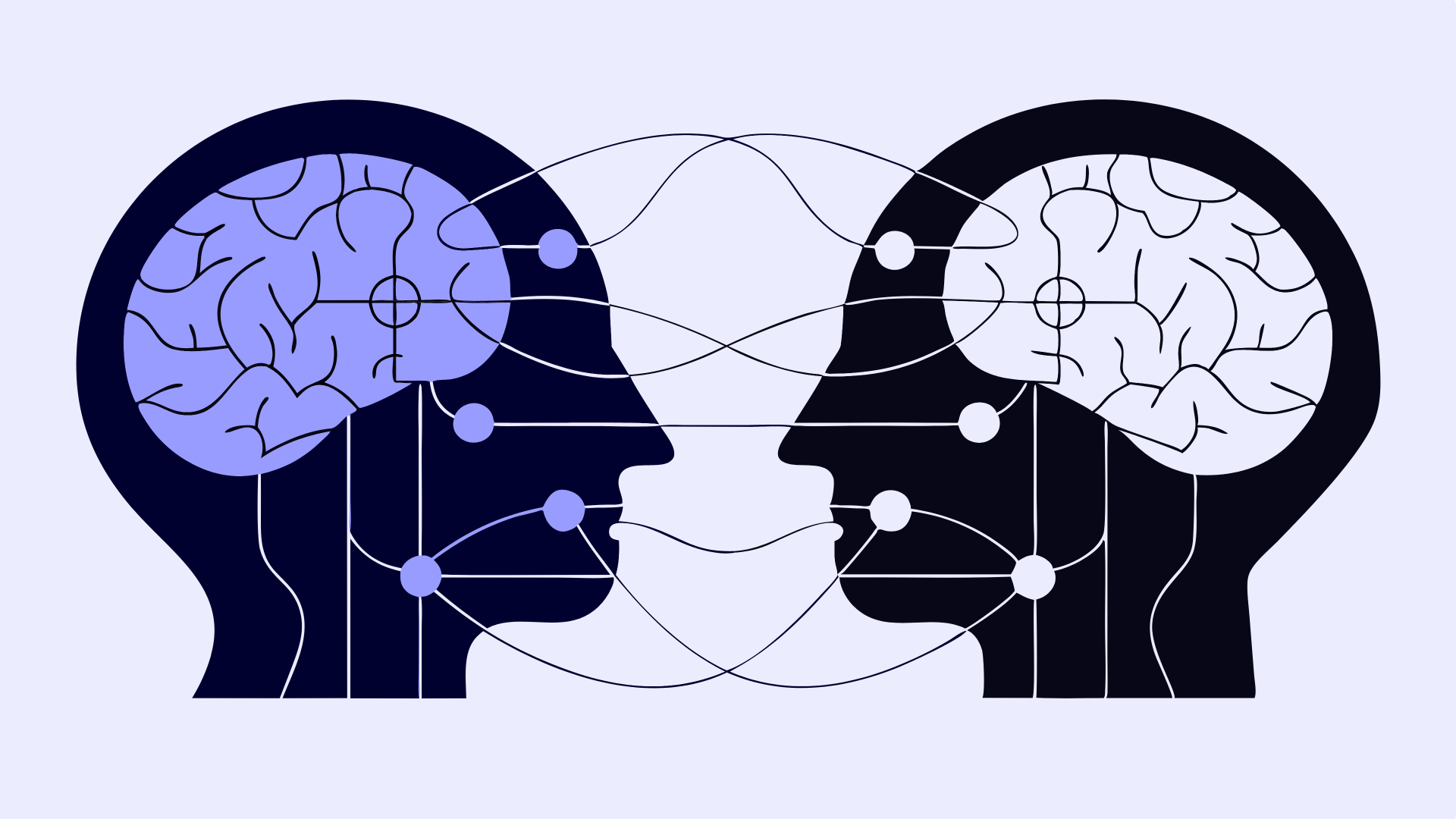
One of the primary benefits of animated videos in psychology is their ability to visually represent complex psychological concepts. Many psychological ideas and theories can be challenging to grasp through traditional texts and lectures. Animated videos break down these concepts into digestible, visual formats, making it easier for both students and patients to comprehend and remember them. Whether it's illustrating the workings of the human brain or demonstrating the effects of stress on the body, animations provide clarity and simplify complex topics.
Enhancing Learning and Education
In educational settings, animated videos have become valuable resources for psychology students and educators alike. They bring textbooks to life by presenting case studies, historical developments, and psychological experiments in a dynamic and engaging manner. This not only makes learning more enjoyable but also aids in retention. Students can witness abstract theories put into practice, helping them connect theory with real-life situations.
Therapeutic Applications
Animated videos have found a significant role in psychological therapy and counseling. They are used to create informative and relatable content for patients, addressing a wide range of mental health issues, from anxiety and depression to coping with trauma. For example, a therapist may use an animated video to explain the physiological responses to stress, allowing the patient to understand their body's reactions and develop effective coping strategies.
Promoting Empathy and Awareness
Animation can be a powerful tool for promoting empathy and understanding of mental health issues. By depicting the experiences of individuals living with conditions like depression, bipolar disorder, or schizophrenia, animated videos help reduce stigma and increase awareness. These videos humanize the experiences of those with mental health challenges, fostering empathy among viewers.
Engaging and Interactive Content
Animated videos are inherently engaging, which can be particularly beneficial in psychology. They can hold the viewer's attention by presenting information in an entertaining and interactive manner. This engagement can be especially helpful in educational settings or when conveying critical mental health information to the general public.
Reach Across Language and Age Barriers
Animated videos transcend language barriers, making them accessible to a global audience. This universal appeal is crucial for disseminating psychological knowledge and promoting mental health awareness worldwide. Additionally, motion graphics makes them suitable for individuals of all ages, from children to seniors, ensuring that psychological information can reach a broad demographic.
Conclusion
Animated videos have emerged as powerful tools in the field of psychology, offering innovative ways to teach, inform, and heal. Their ability to simplify complex concepts, engage viewers, and promote empathy makes them indispensable in psychology education, therapy, and mental health awareness efforts. As technology continues to advance, 2D animated videos are likely to play an even more significant role in enhancing our understanding of the human mind and improving psychological well-being.